Business travel has evolved far beyond moving employees from point A to point B. Every corporate trip involves time, money, efficiency, employee experience, and business relationships.
Poor transportation arrangements can disrupt even a well-planned corporate trip. Pickup delays can affect important meetings. Unclear schedules can create confusion. Route issues can also waste valuable time.
A good corporate travel transportation strategy can prevent these problems. Companies should treat transportation as an important part of travel planning. They should not leave it until the final stage.
A strong transportation strategy helps companies organize employee travel. It also improves punctuality and controls travel costs. In addition, it creates a better experience for business travelers.
Companies may arrange transportation for employees, executives, clients, or business events. They may also plan trips across several cities. In every case, companies should match transportation with the purpose of the trip. This approach helps businesses choose the right service for every journey. It also makes business travel more organized, efficient, and reliable.
Why Corporate Transportation Deserves More Attention
Business travelers often follow strict schedules. Their timelines can be tighter than those of leisure travelers.
A missed airport transfer can cause you to miss a flight. A late arrival at a client meeting can affect business relationships. Poor routes between meetings can also waste valuable work time.
Therefore, transportation directly affects business performance.
A strong corporate transportation strategy involves more than choosing vehicles. Companies should plan the entire journey. They should consider destinations, deadlines, possible delays, and backup options.
This approach also creates consistency for companies with frequent business travel. Employees know what to expect during each trip. Travel managers can follow clear and efficient procedures. Finance teams can also track and control transportation expenses more effectively.
As a result, companies can reduce travel disruptions. They can also improve efficiency and create a smoother business travel experience.
Start With the Purpose of the Business Trip
Prior to selecting vehicles or making transportation arrangements, determine what the reason is for the employees’ travel.
A team traveling to attend a conference would have transportation needs for a period of a few days. A manager on a business visit may need airport pickup and a couple of local transfers. A team on a business event will need coordinated transportation of many employees at the same time.
The nature of the trip will affect the transportation plan.
Think about the following questions:
· Why is the trip taken – meetings, conferences, training, events, client visits?
· How many employees are traveling?
· Do they arrive together or separately?
· Will they be traveling to different places?
· Will they require transportation throughout the day?
· Are there airport transfers involved?
· Will employees have out-of-office transportation needs?
· Is the trip going to involve senior managers or clients?
Getting answers to these questions from the very beginning makes further planning much simpler.
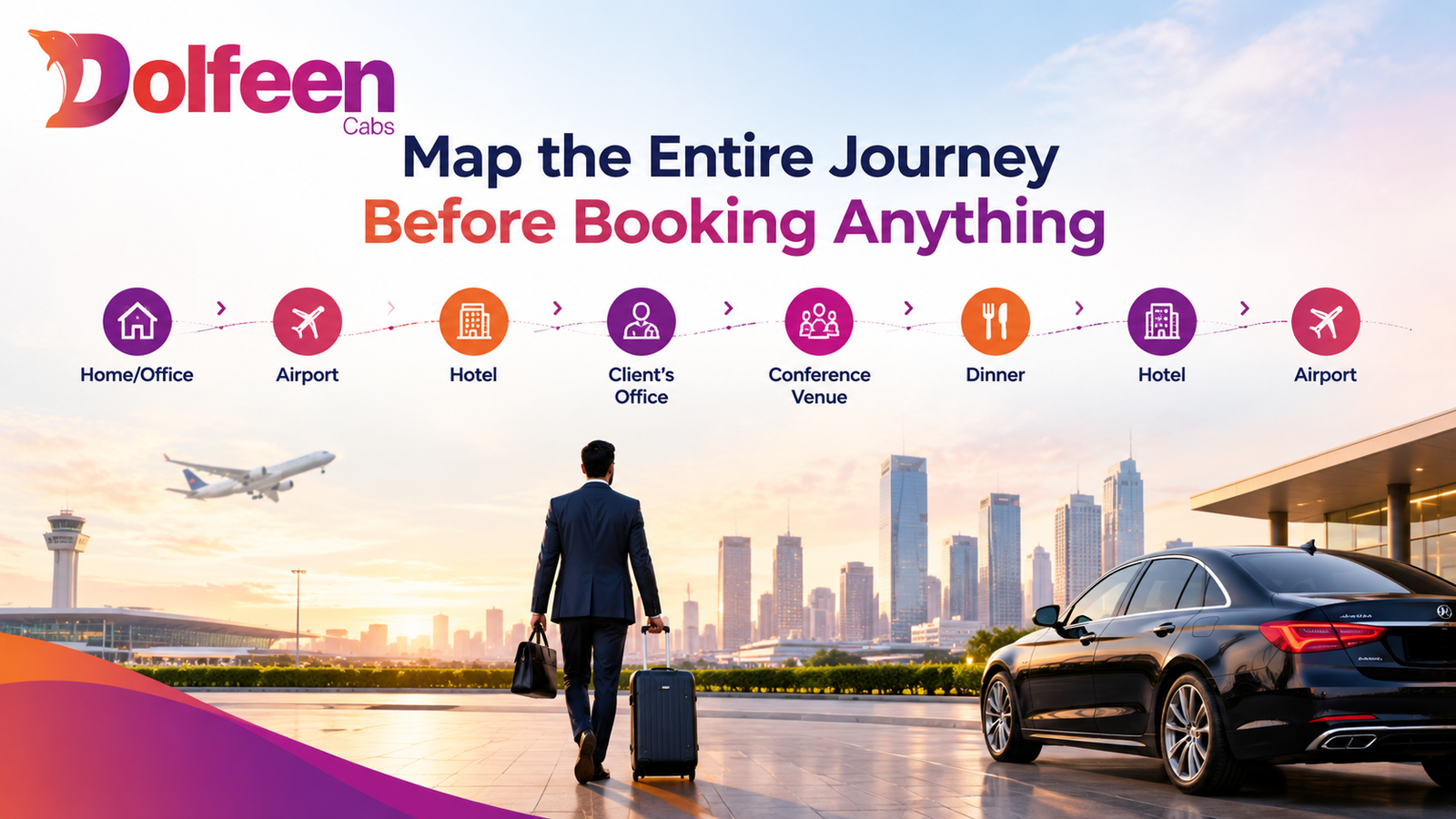
Map the Entire Journey Before Booking Anything
Perhaps the biggest corporate transportation error is planning transport individually while ignoring the whole plan.
Create a journey plan.
For instance, the journey of an employee might be:
Home/office --> Airport --> Hotel --> Client’s office --> Conference venue --> Dinner --> Hotel --> Airport
Each part of the journey requires proper scheduling, traffic management, parking requirements, and coordination.
With all parts of the journey properly planned, it is easier to determine points at which transportation services will be required and points at which transportation services will not be required. It will also make transfer points clearer.
In cases of groups, this becomes even more necessary since coordinating travel of ten, twenty, or fifty people takes more effort than individual transport.
Build Transportation Around Time, Not Just Distance
The fact that a trip is short in terms of distance does not always imply that it will be short in terms of time spent on it.
Factors such as traffic conditions, road works, airport traffic conditions, weather, availability of parking, and peak hour traffic have an effect on the time of travel. Therefore, planning in terms of the expected time of travel and conditions should be considered, rather than calculating the kilometres to travel.
In case of important meetings or traveling by flight, it is good to add some contingency time as well.
A transport plan could look like:
- The scheduled arrival time: The time when the traveller must be there.
- The recommended departure time: The time when the car should depart from the starting point.
- Contingency time: Added time for any contingencies.
Choose Vehicles Based on the Group and Trip
It is not possible to choose one type of vehicle for all corporate travel.
A lone executive will need a comfortable sedan. A management team might benefit from an executive vehicle or even a premium SUV. Larger numbers of passengers may need a minivan, a van, or a coach.
The choice should take into account:
· Number of people traveling
· Volume of luggage
· Distance travelled
· Duration of travel
· Conditions on the road
· Number of stops
· Corporate image
· Comfort of passengers
· Accessibility needs
Making a choice based purely on price will only cause problems. An undersized vehicle may mean multiple trips; an improper choice may render a long journey uncomfortable.
The goal should be adequate value, not necessarily the cheapest alternative.
Make Airport Transportation a Priority
Airport transportation is one of the most important parts of a successful business trip. For business travelers, arriving at an unfamiliar airport, landing late at night, carrying business luggage, or heading directly to an important meeting can make transportation planning especially important. Reliable Transportation Services in India can reduce uncertainty and help employees begin their journey with confidence.
For airport departures, transportation should be planned around the flight schedule, expected traffic, check-in requirements, terminal access, and sufficient travel time. For arrivals, companies should account for potential flight delays, baggage collection, terminal meeting points, and clear communication between the traveler and driver.
Flight monitoring can add another level of convenience. When a flight arrives early or experiences a delay, a professional transportation provider can adjust the pickup time accordingly, helping business travelers avoid unnecessary waiting and confusion.
Partnering with a dependable provider of Transportation Services in India gives companies greater control over airport transfers and helps create a smoother, more punctual travel experience. With proper planning and real-time coordination, airport transportation becomes a reliable part of business travel rather than a last-minute concern.
Centralize Corporate Transportation Information
As the details of travel become scattered across emails, text messages, spreadsheets, and booking documents, things can soon become complicated.
An ideal transportation form would consist of the following:
· Traveler’s name
· Contact details
· Pickup location
· Destination
· Date of pickup
· Time of pickup
· Airline details
· Type of vehicle
· Driver information
· Special instructions
· Emergency contact details
· Booking number
· Billing details
This is simply a matter of ensuring that all the people who require this information have access to the right details.
In larger corporations, transportation information can be incorporated into their travel management system.
Plan for Changes Before They Happen
Business travel rarely goes exactly according to plan. Meetings may run longer than expected, flights can be delayed, conference venues may change, or business travelers may need to add an unexpected stop to their schedule. These situations can quickly create transportation challenges if there is no backup plan in place.
That is why flexibility should be an essential part of every corporate travel strategy. Companies should consider possible changes in advance and have a clear process for adjusting pickup times, changing destinations, adding stops, or arranging alternative transportation when required.
Working with a reliable corporate car rental service can make these adjustments much easier. Professional transportation providers can often respond quickly to schedule changes and help businesses adapt their travel arrangements without disrupting the entire itinerary.
With the right transportation partner, companies can give business travelers greater peace of mind while maintaining punctuality, convenience, and professionalism throughout the journey. Building flexibility into transportation planning ensures that unexpected changes become manageable rather than major disruptions.
Separate Essential Transportation From Optional Transportation
It is not necessary to have a corporate vehicle for every trip.
For example, airport pickups often require pre-arranged transportation. They involve tight schedules and fixed arrival times. However, employees may not need a corporate vehicle for short local trips.
Therefore, companies should divide transportation needs into three groups:
Essential Transport: These trips require reliable and timely transportation. Examples include airport transfers, client meetings, conferences, and important business activities.
Preferred Transport: These trips offer added convenience and consistency. However, employees may have other transportation options.
Flexible Transport: These trips give employees more freedom. They can choose from several transportation options based on their needs.
This approach helps companies use their transportation budgets wisely. It also helps teams prioritize important business trips. As a result, companies can control costs without affecting essential travel.
Create a Corporate Transportation Budget
The cost of transportation may prove hard to control once each employee is making arrangements individually.
Some of the things that may constitute the cost of business travel transportation are:
· Cost of the vehicle
· Distance
· Costs associated with waiting time
· Parking charges
· Tolls
· Additional stops
· Night-time transport
· Charges associated with the airport
· Cost of driver
· Cost of cancellation
· Last-minute transport costs
Businesses need to compare the costs of different models of transportation.
For instance, hiring a number of individual cars may seem to be cheap for a group of employees, yet using a bigger car may be cheaper when traveling together.
The right comparison is not cost per ride but the total cost of transport in relation to convenience and efficiency.
Consider Executive and Client Transportation Separately
Not all business travelers have the same transportation needs. Executives, clients, business partners, and VIP guests often need a higher level of service. Therefore, companies should consider comfort, convenience, privacy, and professionalism when planning their travel.
For executives and VIP travelers, companies may prioritize:
- Premium and comfortable vehicles
- Professional chauffeurs
- Privacy and confidentiality
- Prompt and reliable service
- Flexible scheduling
- Efficient airport pickup and drop-off
- Well-coordinated transportation arrangements
These services help businesses create a comfortable and professional travel experience. They also help executives and important guests stay on schedule and travel with confidence.
For clients and business partners, well-organized transportation can go beyond convenience. It can become an important part of the company's hospitality and brand experience. By integrating reliable transportation into every stage of business travel planning, companies can create a professional, comfortable, and well-managed journey from arrival to departure.
Use Technology to Reduce Coordination Work
Modern business travel need not be dependent entirely on telephone calls and spreadsheets.
Technology can support businesses in handling transportation more effectively.
Some possible functionalities may consist of the following:
· Online booking
· Electronic confirmation
· Information about the driver
· Status of the trip in real time
· GPS tracking
· Automatic notification
· Online invoicing
· Dashboard for businesses
· Booking history
· Expense reporting
Technology must not complicate transportation. Technology is supposed to facilitate information and decision-making.
Create One Corporate Travel Transportation Policy
It can lead to discrepancies in costs and experiences if there is inconsistency among the transportation policies of employees.
A basic transportation policy can include:
- Booking Regulations: Include regulations about who can book transportation services and how much time in advance an employee needs to book.
- Vehicle Policy: Identify what types of vehicles would be suitable for the number of employees, the distance, or other business considerations.
- Approval Regulations: Identify journeys that need approval from managers or travel departments.
- Expenses Regulation: Identify transportation expenses that will be paid by the company.
- Cancellations Policy: Indicate what should happen in case of any changes in the plans or cancellations of bookings.
- Emergency Procedures: Determine whom the travelers must contact in case of any problems with transportation.
The transportation policy should be practical in nature.
Measure the Experience, Not Just the Expense
However, although cost is an essential metric, it cannot be the sole metric.
A transportation service provider who is very cheap but often causes delays may actually end up costing the organization more in terms of inefficiencies and disruption of schedules.
Perhaps consider looking at:
- Reliability: Were vehicles on time?
- Punctuality: Were travelers punctual in reaching their destinations?
- Comfort: Were vehicles fit for the journey?
- Communication: Were travelers kept updated on necessary information?
- Flexibility: Could booking details be easily adjusted in the event of changes to plans?
- Cost effectiveness: Was transportation cost-effective?
- Traveler satisfaction: Were employees happy with the whole experience?
Account for Employee Comfort and Accessibility
The company’s travel policy should cater to various traveller needs.
There may be certain employees with specific accessibility needs. There may be others who require more luggage space, children’s seating while traveling with children as part of their business trips, or just the need for comfort while traveling for long distances.
The travel policy should enable travelers to inform in advance about the specific requirements that they have.
Coordinate Transportation for Corporate Events
A lot of travel is needed when there are conferences, seminars, exhibitions, annual meets, new product launches, and even corporate celebrations.
Event transportation needs a higher level of planning than regular travel.
Instead of dealing with individual travelers, you can organize transport waves.
Like this:
Group One - Arrival: From airport to hotel
Group Two - Arrival: From railway station to hotel
Group Three - Event: From hotel to venue
Group Four - Return: From venue to hotels
Group Five - Departure: From hotels to airport/railway station
With such an organization, it becomes much easier for organizers to plan for multiple travelers.
In case of big events, even more elements like signs, pickup points, passenger lists, and transportation coordinators may help.
Don’t Ignore Local Knowledge
The business travelers visiting the city may not know the city very well.
A local transport company can provide helpful information regarding the flow of traffic, airport connectivity, important business centres, event centres, and other alternate routes.
It becomes even more helpful when visiting cities wherein the traffic situation varies greatly throughout the day.
Such information can be useful in converting an ordinary transportation arrangement to a better travel plan.
A Practical Corporate Transportation Planning Framework
Firms looking for an easy way to begin should structure their travel program into six phases.
1. Understanding the Trip
Define travelers, locations, dates, purpose of the travel, and key arrival dates.
2. Planning the Trip
Plot all transportation links and determine at what transfer points special vehicles are needed.
3. Selecting Suitable Modes of Transportation
It should be ensured that the type of transport and services match the number of passengers, the distance covered, the luggage requirement, and the significance of the trip from a commercial perspective.
4. Clarifying All Details
Provide the travelers with details regarding the pickup arrangement, the driver, schedule, and emergency contact numbers.
5. Monitoring the Trip
Pay attention to all key transfers and be ready for possible deviations.
6. Evaluating Results
Analyse the cost, reliability, opinions of travelers, and the results achieved by the travel provider after the trip.
Such a structure is sufficiently simple to be used by small firms but still helpful for the travel management programs of large companies.
The Future of Business Travel Transportation
Business transportation continues to become more closely connected with digital travel management solutions.
As a result, businesses increasingly rely on solutions that combine booking, scheduling, tracking, communication, billing, and reporting into one streamlined process.
In the future, corporate transportation plans will focus more on:
- Digital booking solutions
- Real-time travel information
- Automated notifications
- Data-driven routing
- Flexible fleet options
- Corporate account management
- Personalized travel experiences
However, the goal goes beyond simply automating transportation processes. Instead, businesses want to simplify the entire journey, improve travel planning, and make transportation easier to manage and control.
Ultimately, companies that combine technology with reliable business travel transportation can improve efficiency, reduce coordination challenges, and create a smoother travel experience for employees, executives, and clients.
Conclusion
Business travel involves much more than simply moving employees from one destination to another. For business travelers, reliable transportation can make the difference between a smooth, productive journey and a stressful experience that disrupts schedules, meetings, and overall business performance.
From airport transfers and client meetings to conferences and multi-city itineraries, companies need dependable transportation services that prioritize punctuality, comfort, safety, communication, and flexibility. For this reason, choosing the right Airport Taxi Service can help businesses simplify airport transfers, minimize travel delays, and provide a professional and convenient experience for employees, executives, and clients.
Moreover, an effective corporate transportation strategy helps organizations control travel costs, respond quickly to unexpected changes, and manage airport transportation efficiently. By combining reliable transportation with careful business travel planning, companies can create a smoother and more dependable travel experience.
Ultimately, companies should treat corporate transportation as an essential part of business travel planning rather than an afterthought. By investing in dependable transportation services and choosing a reliable Airport Taxi Service, businesses can improve punctuality, enhance traveler satisfaction, and create a more organized and professional Business Travel experience.